What Casinos Are Not On Understanding the Limits
 テオリア事務局
In the vast landscape of the gambling industry, many individuals may wonder what casinos are not on typical platforms or mainstream markets. As the online gambling world continues to expand, so does the diversity in its offerings. For those intrigued by this niche, what casinos are not on GamStop Buckinghamshirebowls might seem an unrelated example at first glance, but it embodies the essence of uniqueness that can resonate with the non-traditional casino scene.
When we talk about casinos that are not on well-trodden paths, we refer to several types of gaming establishments that operate outside of conventional definitions and platforms. These are casinos that may not be licensed or regulated in the same way as the mainstream gambling venues we are accustomed to seeing. Furthermore, they may utilize unconventional games, innovative technology, or cater to very niche audiences.
1. Underground Casinos
Underground casinos operate without proper licensing and regulations. These venues can be difficult to locate, often hiding in plain sight behind the facade of a bar or a restaurant. Participants may be drawn in through word-of-mouth recommendations, advertisements in less conventional mediums, or digital channels that operate in the shadows of the internet.
Many patrons justify their visits by the thrill of engaging in illicit activities, which can make for an adrenaline-infused atmosphere unlike traditional casinos'. However, the risks involved—both legal and personal—cannot be overstated. Players may find themselves vulnerable to cheating, fraud, or even legal consequences.
2. Themed Pop-up Casinos
A newer phenomenon in the gambling world includes themed pop-up casinos. These establishments are typically temporary and are set up during special events, festivals, or corporate gatherings. They often capitalize on a specific theme or occasion to attract visitors. For instance, a casino pop-up might be based on a popular movie, a sporting event, or a particular cultural celebration.
Even though they may provide a fun and exciting gambling experience, pop-up casinos often lack the regulatory oversight that traditional establishments must adhere to, leading to possible issues regarding fairness and security.
3. Cryptocurrency Casinos
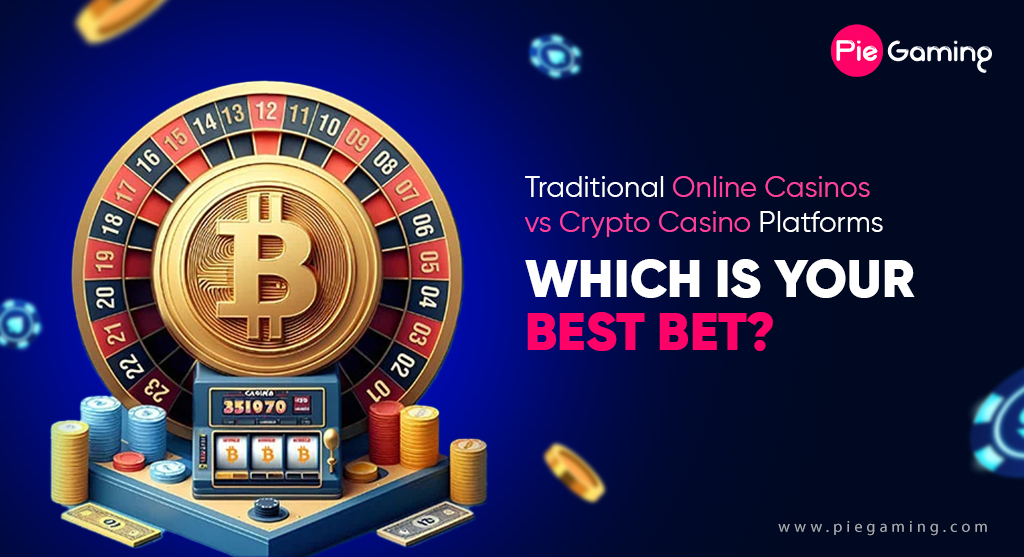
With the rise of digital currencies such as Bitcoin, a new breed of online casinos has emerged that operates exclusively on cryptocurrency platforms. These casinos appeal to a growing demographic of tech-savvy players who value anonymity and security over conventional methods of banking.
Many cryptocurrency casinos implement features that traditional casinos may not, such as provably fair gaming, which allows players to verify the fairness of each game outcome. However, because most of these casinos are not regulated by a recognized authority, players face significant risks, including the potential for scams and financial losses.
4. Skill-based Game Venues
A growing trend among non-traditional casinos involves the introduction of skill-based games, as opposed to traditional luck-based games like slots. Casinos that focus on skill-based gaming may incorporate arcade elements where players compete against each other, enhancing both engagement and skill development.
While these venues are often exciting and modern, they may not operate under the same regulations as traditional casinos, raising questions about legality and consumer protection.
5. Social and Mobile Casinos
Many players enjoy gambling via social media or mobile apps. These casinos are often not classified as traditional gaming establishments, as they primarily engage players through free-to-play games or "virtual currency" models. While these sites may offer gambling-like experiences, the legal status is often ambiguous, making them safe spaces for some but risky for others.
In social contexts, players can engage with friends or family, pushing the boundaries of traditional gambling, but they often lack the same protections and regulations that govern typical casinos.
6. Illegal and Rogue Online Casinos
Illegitimately operated online casinos often use misleading advertising to lure unsuspecting players. They may feature glowing reviews, fake bonuses, and attractive marketing schemes to make their platform seem legitimate. However, once players engage with these casinos, they may find that payouts are minimal or non-existent, and operations could be fraudulent.
It is crucial for players to conduct thorough research and rely on trusted sources before engaging with any online casino. Always check for licenses and regulatory compliance to minimize risks.
7. Alternative Gaming Concepts
Innovative concepts in the gambling industry continue to emerge, including well-being casinos that combine gaming with fitness or experiences that integrate gambling into culinary events. These venues may not align with traditional casino standards, often prioritizing a

unique guest experience over strict adherence to gaming regulations.
While these alternative settings can provide fresh and engaging experiences for gambling enthusiasts, they also come with questions of legitimacy and safety.
Final Thoughts
Casinos that operate outside the conventional norms provide diverse experiences that cater to specific audiences. As the gambling landscape evolves, both players and regulators must assess the implications of these changing dynamics. While these non-traditional casinos may offer unique thrills, they present their own sets of risks and uncertainties.
For those looking to explore what casinos are not on typical circuits, it is essential to stay informed and cautious. Whether one seeks underground thrills or innovative skill-focused games, understanding the landscape is key to enjoying gambling safely and responsibly.